
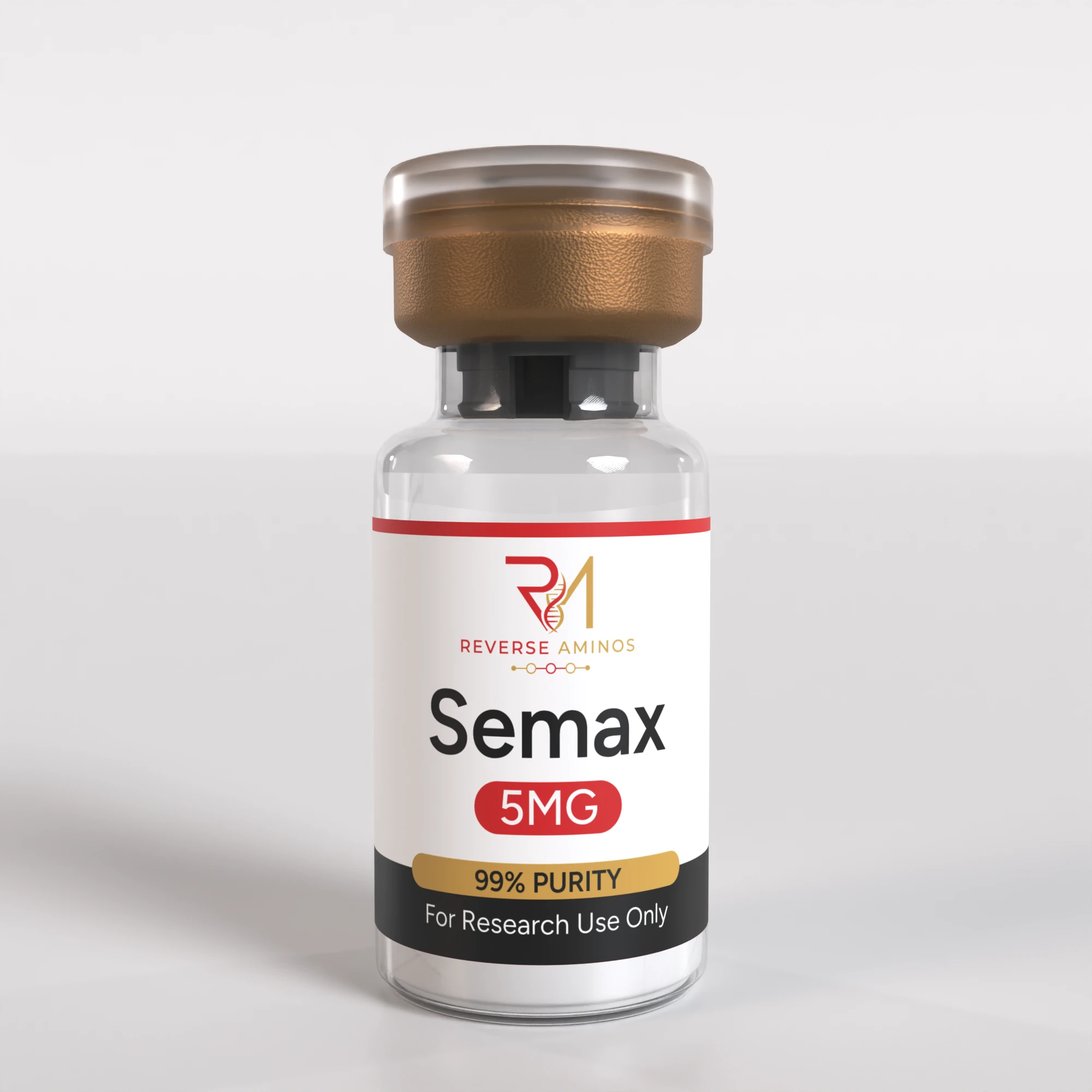

Semax: An Overview
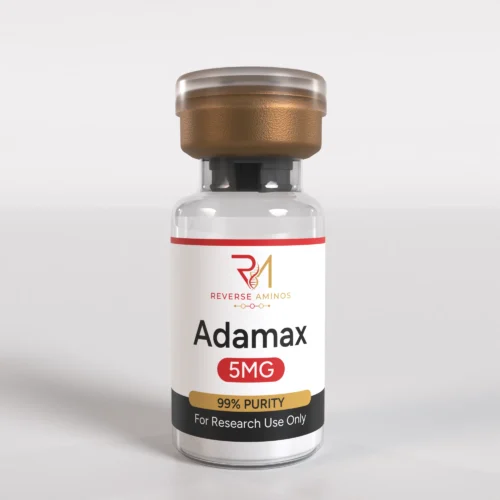
Semax, also known as R1881 or PZ-T-503, is a synthetic compound that acts as an antagonist of the sigma 1 receptor (σ1R). The σ1 receptor is a transmembrane protein found in various cell types and has been associated with several physiological processes. This compound has been widely utilized in research to investigate the functional roles of the σ1 receptor.
Research Context
The sigma 1 receptor (σ1R) is a unique membrane-associated receptor that plays a crucial role in cellular signaling pathways, particularly under stress conditions. It is involved in processes such as endoplasmic reticulum (ER) stress, inflammation, and neuroprotection. Semax has been extensively studied for its ability to modulate the σ1R, providing researchers with valuable tools to explore these mechanisms.
Research Overview
Semax is primarily used in research settings to study the functional properties of sigma 1 receptors. It can be employed in various experimental designs, including but not limited to:
- Evaluation of σ1R binding and signaling pathways
- Investigations into stress response mechanisms involving σ1Rs
- Assessing the role of σ1Rs in neuroprotection and neurodegenerative diseases
- Studying the impact of σ1Rs on inflammation and immune responses
<h2-Key Research Focus Areas
- σ1R Modulation: Semax is used to understand how sigma 1 receptors interact with other signaling molecules and modulate cellular processes.
- Stress Response Pathways: Researchers use this compound to investigate the role of σ1Rs in stress-induced responses, such as ER stress and inflammation.
- Neuroprotection: The compound is utilized to explore potential neuroprotective mechanisms involving sigma 1 receptors.
- Inflammation Studies: Semax helps in understanding the role of σ1Rs in inflammatory processes through various experimental models.
Final Compliance Disclaimer
For research use only. Not for human or animal consumption.
| Size | 5MG, 10MG |
|---|