
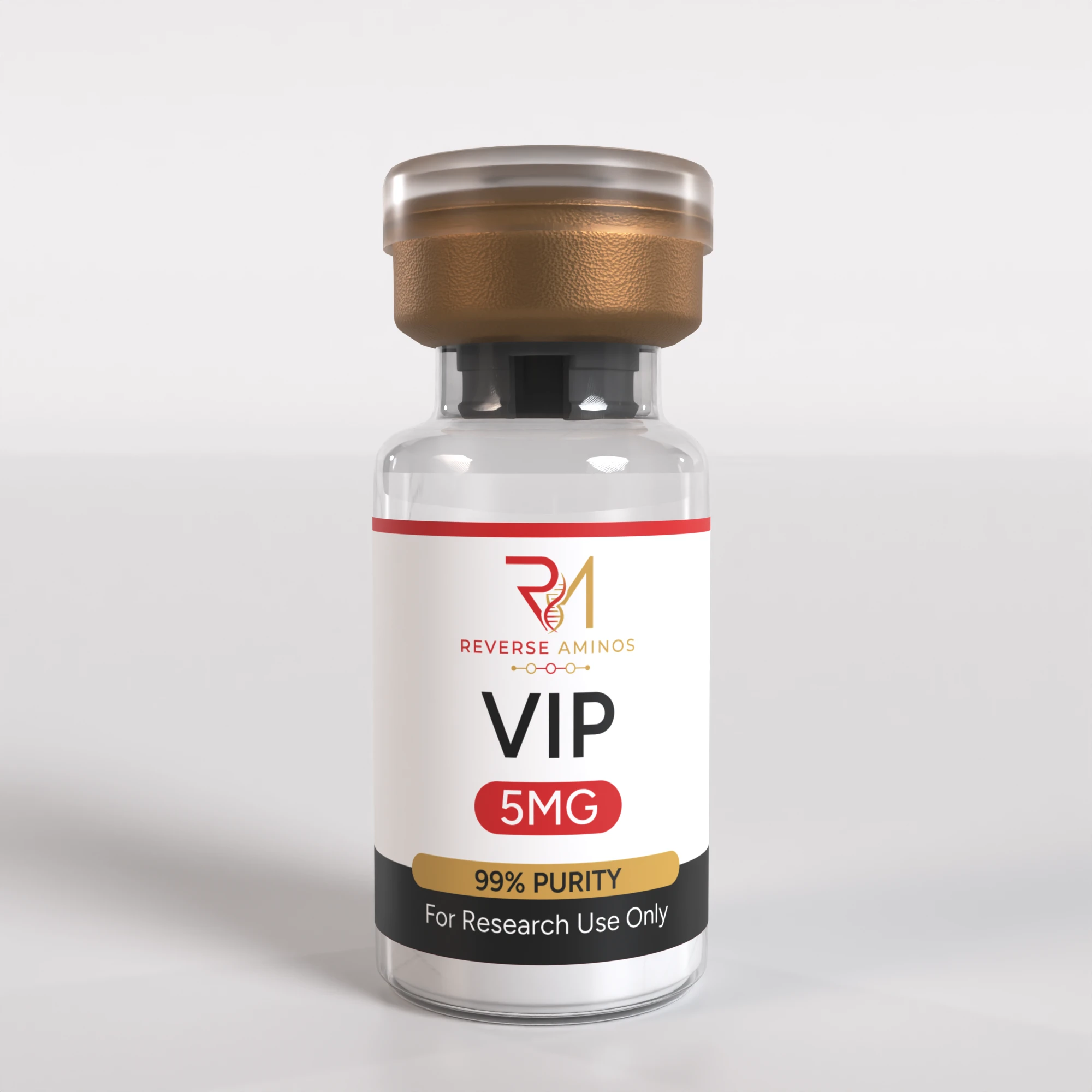

VIP Compound : A Comprehensive Research Tool
VIP (Vasoactive Intestinal compound ) is a naturally occurring nonapeptide that plays a crucial role in the regulation of various physiological processes, including vasodilation, fluid secretion, and neurotransmission. This compound has been extensively studied for its diverse biological activities making it an invaluable tool in research environments.
Research Context
VIP is involved in several physiological functions mediated by G protein-coupled receptors (GPCRs). It acts through multiple mechanisms to influence cellular processes, making it a key subject of study in fields such as neurobiology, endocrinology, and gastrointestinal research. Understanding VIP’s role can provide insights into the pathogenesis of various diseases and aid in the development of potential therapeutic strategies.
Research Overview
The VIP compound is prepared using advanced compound synthesis technology to ensure high purity and biological activity. It is ideal for use in a wide range of research applications including, but not limited to, functional studies, receptor binding assays, signal transduction pathways analysis, and cell signaling experiments.
Key Research Focus Areas
- VIP Receptor Signaling: Investigating the interaction between VIP and its receptors in various cell lines can provide important information on the mechanisms of action and potential therapeutic targets.
- Gastrointestinal Function: Studying the effects of VIP on gut motility, fluid secretion, and ion transport is critical for understanding gastrointestinal diseases such as irritable bowel syndrome (IBS) and inflammatory bowel disease (IBD).
- Nervous System Studies: Research into the role of VIP in neural plasticity, neurotransmission, and neurodegenerative disorders can contribute to advancements in neurological research.
Compliance Disclaimer
This VIP compound is intended for research use only. It should not be used for any medical, therapeutic, diagnostic, or cosmetic purposes, nor for human or animal consumption. Proper handling and storage protocols must be followed to ensure safety and efficacy in research settings.
| Size | 5MG, 10MG |
|---|