
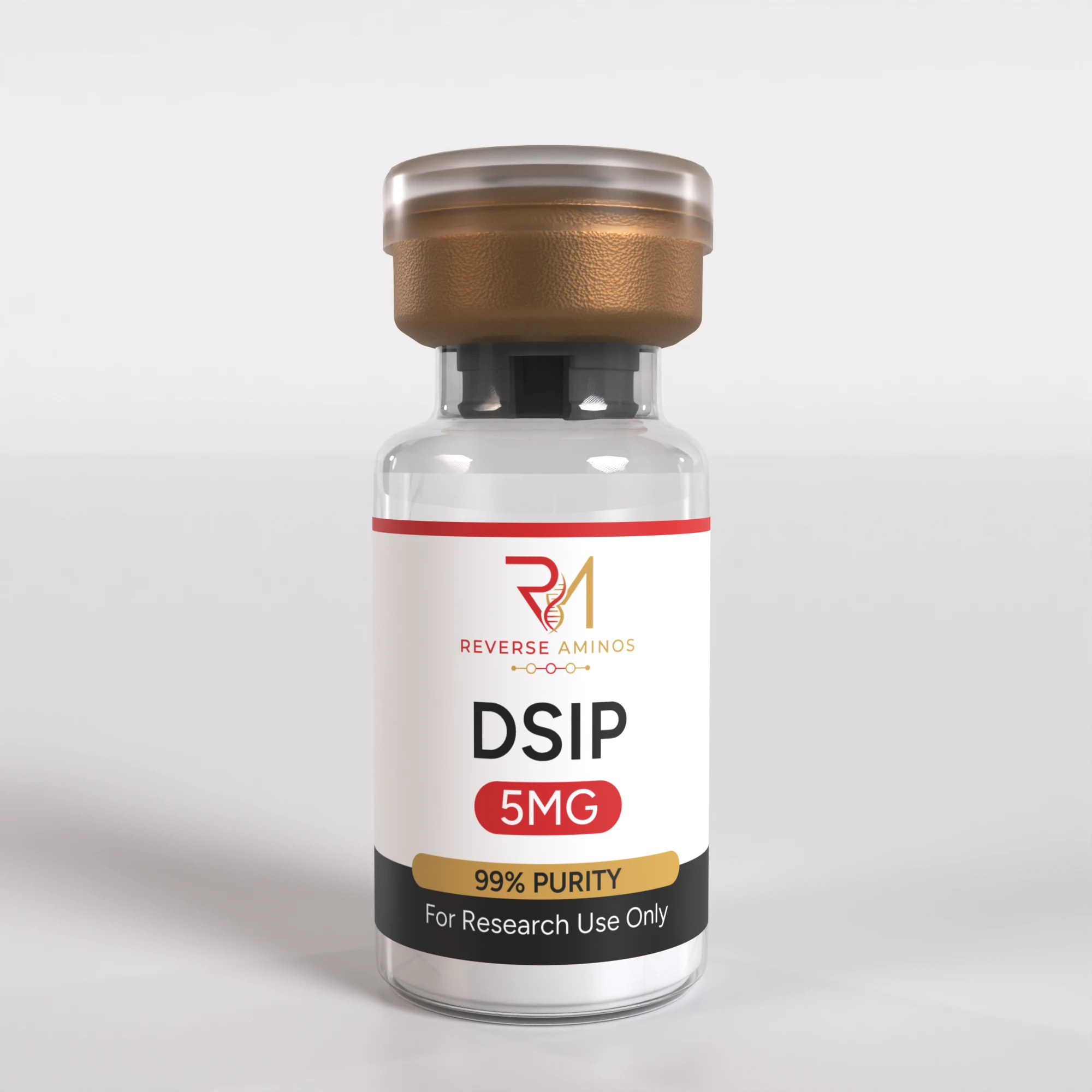

DSIP Compound : A Comprehensive Research Tool
DSIP (D-Ala(3), D-Leu(4)-Enkephalin) is a synthetic pentapeptide that has garnered significant interest in the research community due to its unique structure and potential applications. DSIP is an N-terminal fragment of enkephalin, a naturally occurring opioid compound known for its analgesic properties.
Research Context
The study of compound like DSIP provides valuable insights into the mechanisms of action of endogenous opioids and their role in pain modulation and other physiological processes. This research is crucial not only for understanding basic biological functions but also for developing new therapeutic strategies without directly relying on whole opioid molecules, which can have significant side effects.
Research Overview
The DSIP compound has been extensively studied for its interactions with various receptors, including mu (μ), delta (δ), and kappa (κ) opioid receptors. Its structure and function make it a valuable tool in the exploration of receptor selectivity and mechanism of action studies.
Key Research Focus Areas
- Receptor Binding Studies: DSIP has been used to investigate the binding affinities and efficacies at different opioid receptors, contributing to our understanding of receptor specificity.
- Molecular Dynamics Simulations: Computational studies have shed light on the conformational changes and dynamics associated with DSIP binding to its receptors, enhancing our structural insights.
- Functional Studies: The compound has been employed in functional assays to study the signaling pathways activated by its interaction with opioid receptors, providing a deeper understanding of downstream effects.
Compliance and Disclaimer
Please be informed that DSIP compound is provided for research use only. It should not be used for human or animal consumption. This product is intended strictly as a tool for scientific inquiry and must comply with all applicable regulations concerning the handling, storage, and disposal of research materials.
Note: This product is not intended for diagnostic, therapeutic, or any other medical use in humans or animals. It should be used under strict supervision by qualified professionals familiar with its properties and potential risks.
For research use only. Not for human or animal consumption.
| Size | 5MG, 10MG, 15MG |
|---|