
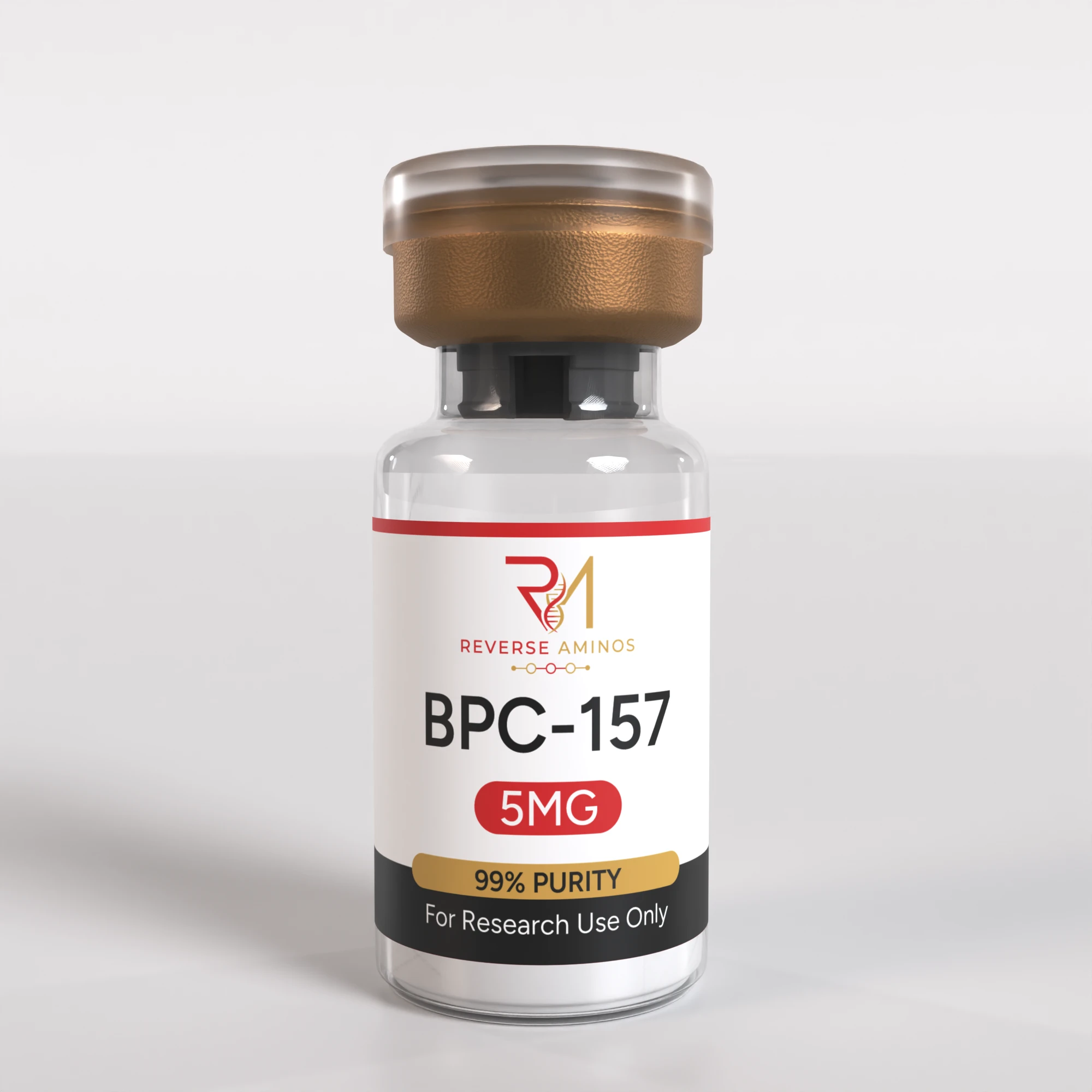

BPC-157: A Research Use Only Compound
BPC-157 is a cyclic heptapeptide discovered in 1986 as part of the natural digestive process. It has been extensively studied for its potential therapeutic properties, particularly in wound healing and tissue repair.
Research Context
The compound sequence of BPC-157 is derived from a larger protein found in the stomach lining. Its unique structure and biological activity have made it a subject of interest in various scientific research fields, including gastroenterology and regenerative medicine.
Research Overview
BPC-157 has been explored for its ability to modulate several physiological processes. It is believed to interact with cellular receptors and pathways involved in inflammation, cell migration, and tissue repair. Research into BPC-157 often focuses on understanding these mechanisms at the molecular level.
Key Research Focus Areas
- Inflammation Modulation: Studies have investigated how BPC-157 can reduce inflammation without causing cytotoxicity, making it a potential anti-inflammatory agent.
- Tissue Repair and Regeneration: Research has shown that BPC-157 may enhance the healing of wounds by promoting cell migration and proliferation.
- Stomach and Intestinal Health: Investigations into BPC-157’s role in gastric and intestinal health have highlighted its potential to protect against ulcers and other gastrointestinal disorders.
Final Compliance Disclaimer
Please note that this product is intended for research use only. It should not be used for human or animal consumption. Further, it is imperative to adhere strictly to all local regulations and guidelines concerning the handling, storage, and disposal of compound in a laboratory setting.
For research use only. Not for human or animal consumption.
| Size | 5MG, 10MG, 20MG |
|---|