
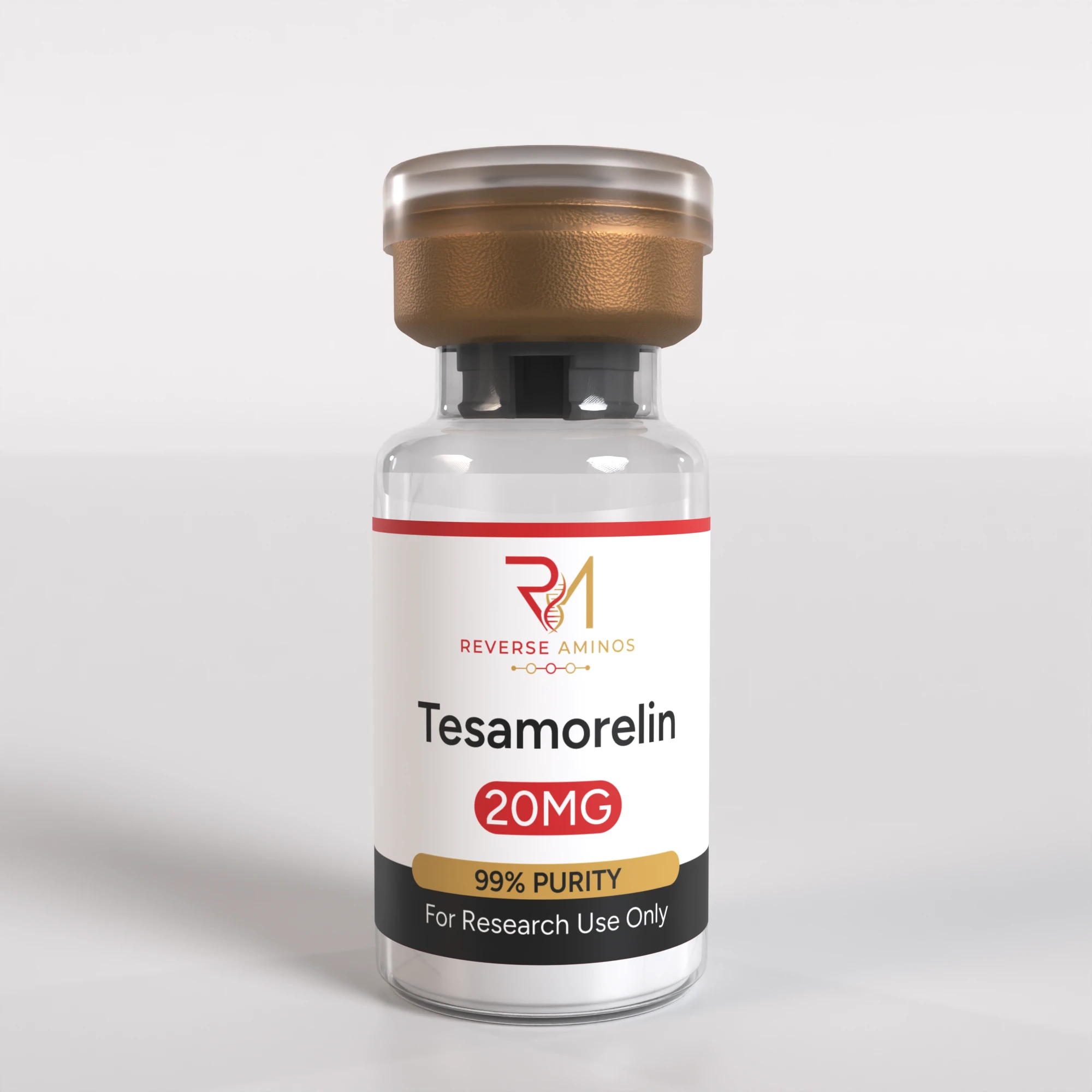

Tesamorelin
Tesamorelin is a synthetic analog of ghrelin, an orexigenic hormone produced primarily in the stomach and brain. This compound has gained attention for its role in regulating growth hormone secretion and potentially influencing metabolism-related processes.
Research Context
In scientific research, tesamorelin is utilized to study various physiological and metabolic pathways related to growth hormone (GH) release. Its ability to modulate GH levels makes it a valuable tool for investigating the mechanisms underlying aging, muscle wasting, and other conditions associated with reduced GH activity.
Research Overview
Tesamorelin has been extensively studied in preclinical models and clinical trials for its potential therapeutic applications. It is particularly relevant to research into age-related diseases, muscle health, and metabolic disorders. The compound mechanism of action involves binding to the ghrelin receptor (GHS-R1a), leading to increased GH secretion from the pituitary gland.
Key Research Focus Areas
- Anti-aging research: Investigating tesamorelin’s effects on reducing signs of aging, such as skin elasticity and muscle mass preservation.
- Muscle health studies: Exploring the compound role in maintaining or enhancing muscle strength and size, especially in conditions like sarcopenia.
- Metabolic disorder research: Examining tesamorelin’s impact on glucose metabolism, lipid profiles, and overall metabolic balance.
- Cancer-related research: Studying the potential of tesamorelin in mitigating cachexia associated with certain cancers by promoting muscle mass retention.
Final Compliance Disclaimer
Please note that this product is intended for research use only. It should not be used for human or animal consumption and must be handled according to laboratory protocols. For any inquiries regarding the proper usage in scientific studies, please consult a qualified researcher or relevant regulatory guidelines.
| Size | 10MG, 20MG |
|---|