

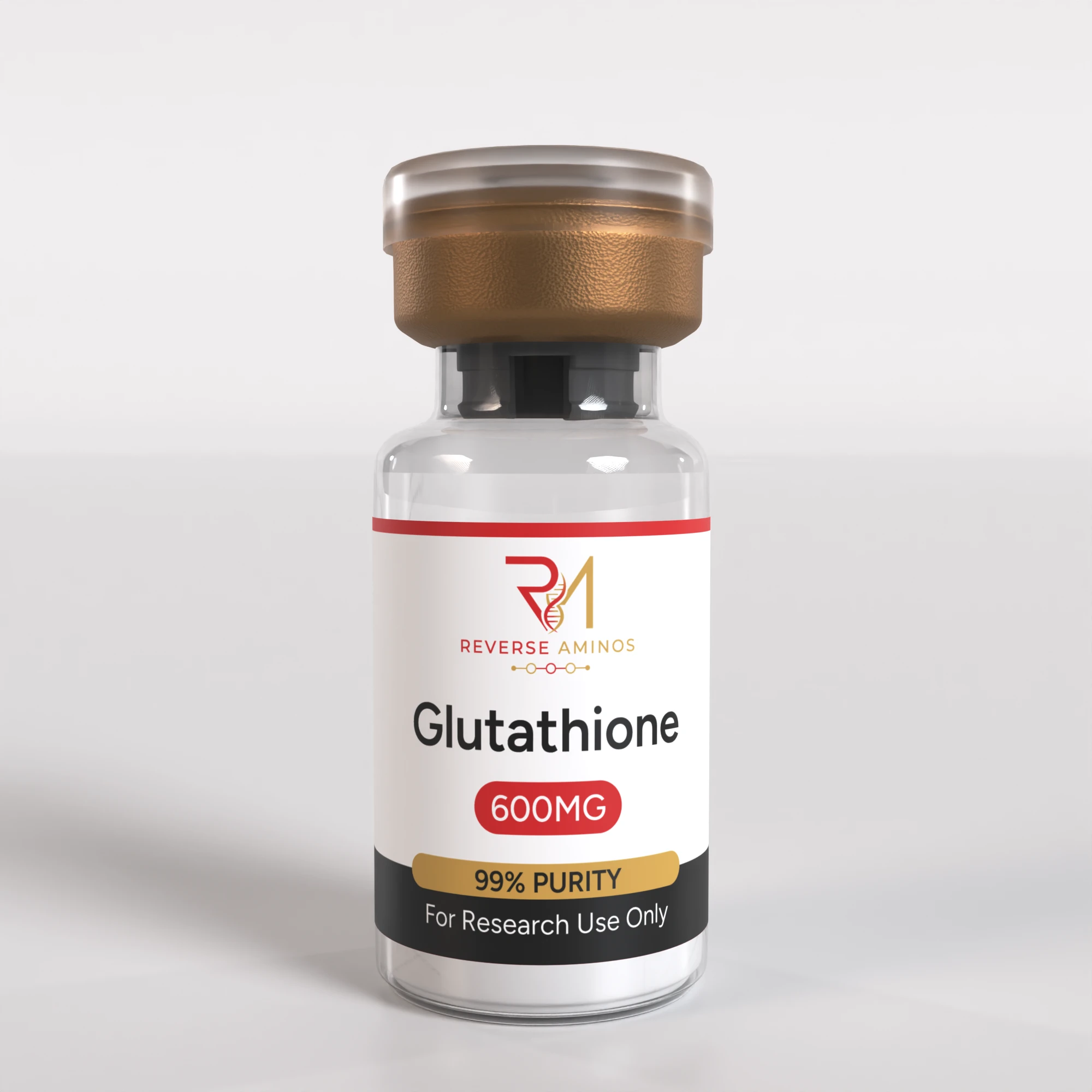

Glutathione: Research Overview
Glutathione (GSH) is a tripeptide consisting of the amino acids cysteine, glutamate, and glycine. It plays a crucial role in cellular redox homeostasis, detoxification, and antioxidant defense systems. This essential molecule is synthesized endogenously within cells and can also be obtained through dietary sources.
Research Context
Glutathione has been extensively studied for its multifaceted roles in biological processes, including but not limited to redox signaling, DNA repair, protein synthesis, and immune modulation. Its importance in maintaining cellular health makes it a critical focus in various research fields such as pharmacology, biochemistry, and molecular biology.
Key Research Focus Areas
- Mechanisms of Antioxidation: Glutathione acts as a powerful antioxidant by directly scavenging free radicals and supporting the recycling of other antioxidants like vitamins C and E. This makes it valuable for studying oxidative stress in various diseases.
- Cancer Research: The role of glutathione in cancer development, progression, and treatment resistance has been a significant area of investigation. It is involved in DNA repair mechanisms that can influence cell survival under genotoxic stress.
- Inflammation and Immunity: Glutathione’s involvement in modulating inflammatory responses through its interaction with immune cells and cytokines makes it relevant for understanding the link between inflammation and disease states such as autoimmune disorders and chronic infections.
Final Compliance Disclaimer
Please note that this product is intended for research use only. It should not be used for human or animal consumption. Any use of these compound must comply with relevant legal and regulatory requirements.
| Size | 600MG, 1500MG |
|---|