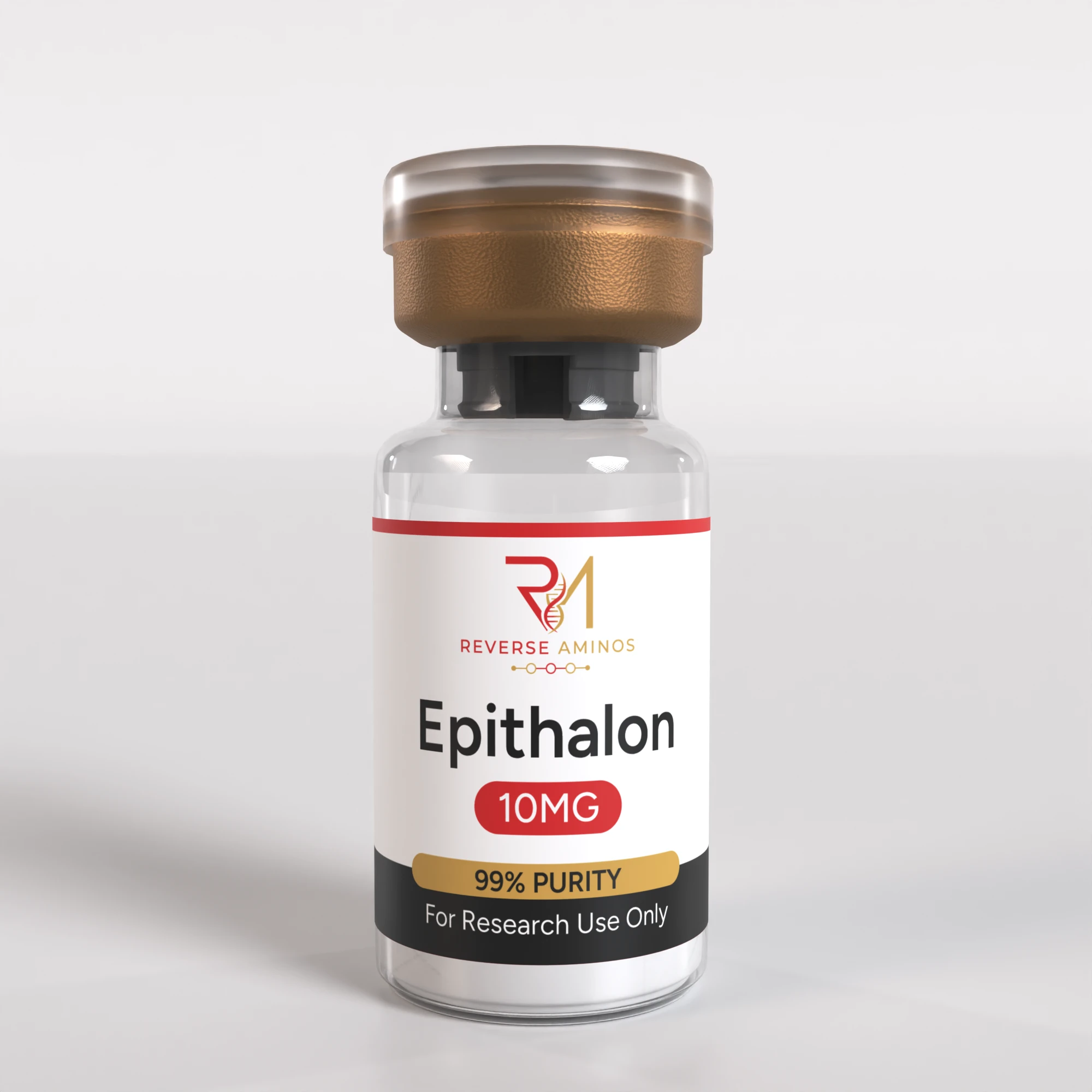

Epithalon: A Research-Use-Only Compound
Epithalon, also known as Gamma-compound or P19, is a research-use-only compound derived from the N-terminal sequence of the human alpha-2 macroglobulin (α2M) protein. It has shown promise in preclinical studies for its potential effects on telomere length and cellular senescence.
Research Context
The study of epithalon compound has been focused on their potential to affect the aging process, particularly through the modulation of telomeres—DNA sequences found at the ends of chromosomes that shorten with each cell division. Research suggests that epithalon may help in maintaining or restoring telomere length, which could have implications for slowing down cellular aging processes.
Research Overview
The research on epithalon compound is still preliminary and much work remains to be done before any definitive conclusions can be drawn. Studies conducted so far indicate that these compound might play a role in promoting youthful characteristics at the cellular level, though no clinical trials have been reported as of the latest studies.
Key Research Focus Areas
- Telomere Length Maintenance: Studies suggest epithalon may help in maintaining or even increasing telomere length, which could contribute to slowing down cellular aging processes.
- Cellular Senescence Inhibition: Research indicates that epithalon might inhibit senescence of cells, thus potentially contributing to overall health and longevity.
- Inflammation Modulation: Preliminary studies suggest that epithalon could have anti-inflammatory properties, which may contribute to its potential benefits in aging research.
Compliance Disclaimer
This product is intended for research use only. Not for human or animal consumption. Further research and validation are required before any definitive conclusions can be drawn regarding the efficacy and safety of epithalon compound .
| Size | 10MG, 50MG |
|---|