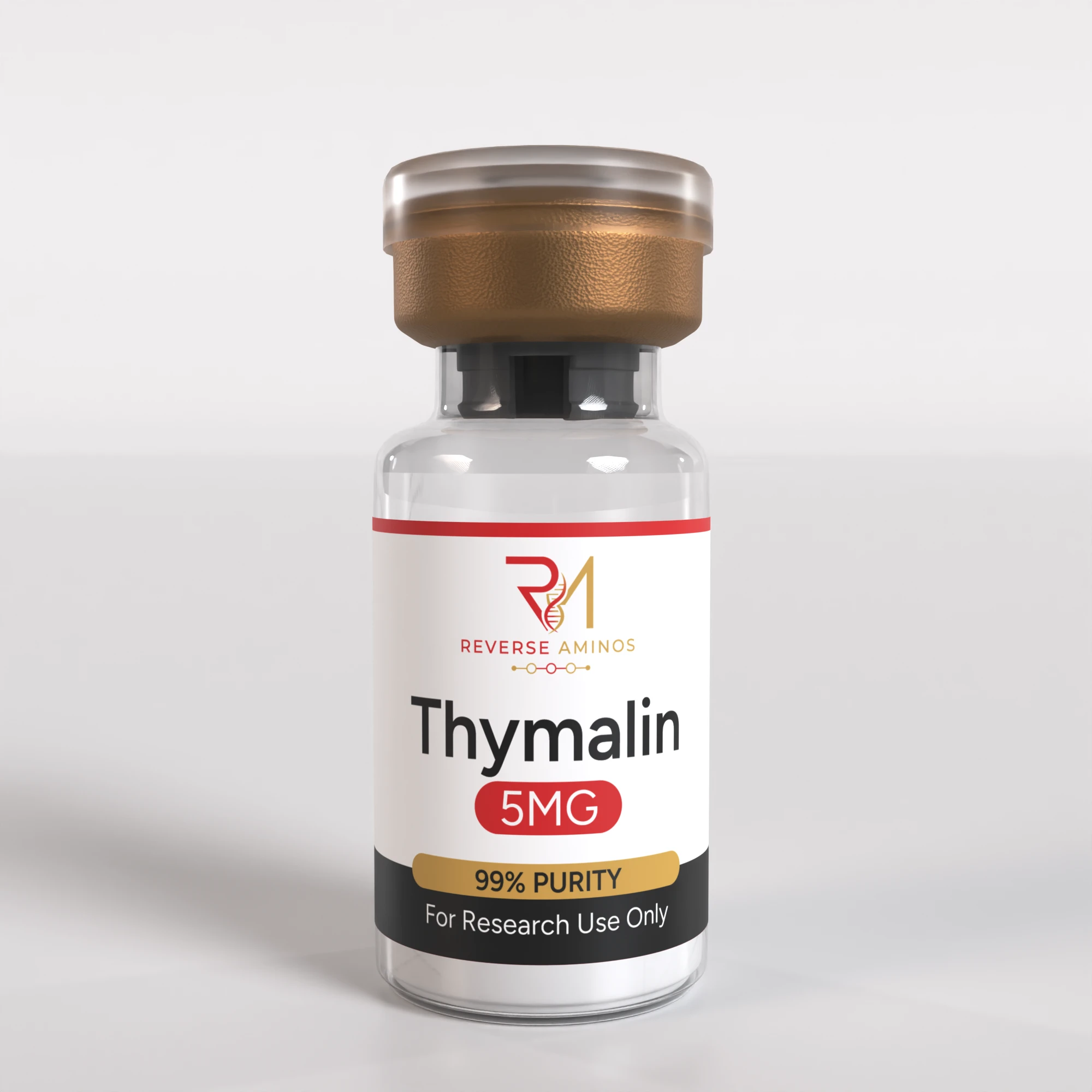

Thymalin – A Compound for Research Applications
Thymalin is a synthetic compound derived from the thymosin alpha 1 protein, which plays an essential role in immune regulation and cell proliferation. It has been extensively studied in various biological contexts to understand its potential applications in research settings.
Research Context
The exploration of Thymalin began with the identification of thymosins as key components in the thymus, where they are critical for T-cell maturation and immune system development. Research on Thymalin has expanded to include its effects on cellular growth factors, cytokine production, and immunomodulatory properties.
Research Overview
This compound is particularly interesting due to its ability to modulate the immune response and promote cell division without leading to uncontrolled proliferation. Studies have indicated that Thymalin can enhance the functionality of T-cells and natural killer cells, contributing to a more robust immune system.
Key Research Focus Areas
- Immune System Modulation: Exploring how Thymalin affects various components of the immune response to improve vaccine efficacy or treat immunodeficiency disorders.
- Cancer Research: Investigating whether Thymalin can support tumor suppression by enhancing immune surveillance and promoting apoptosis in cancer cells.
- Cell Biology: Studying its role in cellular proliferation, differentiation, and signal transduction pathways to understand the mechanisms of action at a molecular level.
Final Compliance Disclaimer
Please note that Thymalin is for research use only. Not for human or animal consumption.
| Size | 5MG, 10MG |
|---|