
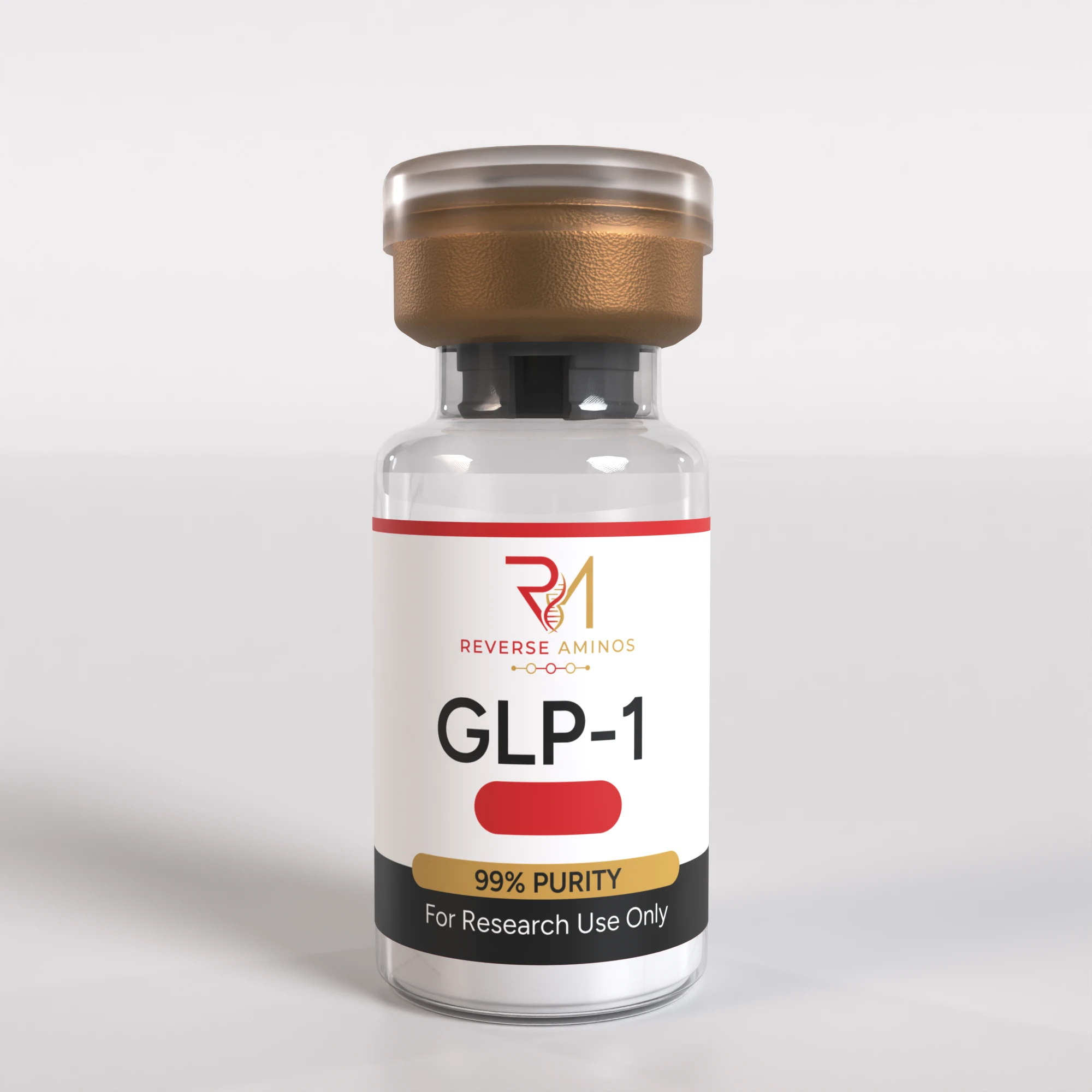

GLP-1: Research Overview for Scientists
Glucagon-like compound 1 (GLP-1) is a naturally occurring hormone that plays a significant role in glucose homeostasis, particularly in the regulation of insulin secretion and glycemic control. This compound has garnered considerable interest among researchers due to its potential applications in diabetes research and treatment.
Research Context
The discovery and characterization of GLP-1 have led to a deeper understanding of how this hormone interacts with various cellular receptors, particularly the GLP-1 receptor (GLP-1R). The GLP-1R is expressed in multiple tissues, including pancreatic beta cells, brain, and intestine. These interactions underpin its effects on glucose metabolism and other physiological processes.
Research Overview
This product, available for research use only, provides scientists with a high-quality compound that can be used to study GLP-1’s mechanisms of action, interaction with the GLP-1R, and potential therapeutic applications. The purity and stability of this compound ensure accurate and reproducible experimental results.
Key Research Focus Areas
- In vitro studies: Investigating the effects of GLP-1 on insulin secretion from pancreatic beta cells.
- Cell signaling pathways: Examining how GLP-1 modulates intracellular signaling in target tissues such as the brain and gut.
- Toxicology studies: Assessing the safety profile of GLP-1 analogs or derivatives in various cell lines and animal models.
- Vivo experiments: Studying the pharmacokinetics and pharmacodynamics of GLP-1 in vivo to understand its systemic effects on glucose metabolism and other physiological parameters.
Compliance Disclaimer
This GLP-1 compound is for research use only. Not for human or animal consumption.